%2Ffit-in%2F250x250%2Fguide_websites%2F5094%2Fimages%2Fpng_squarecolor.png&w=1920&q=100)
/users/105eb293-6a8e-41c8-857d-3788b9de0acc/ratecard/463121125_3367829776694401_3708947628638470045_n.jpg)
%2F300x300%2Fusers%2F105eb293-6a8e-41c8-857d-3788b9de0acc%2Fratecard%2F463121125_3367829776694401_3708947628638470045_n.jpg&w=256&q=75)
%2F300x300%2Fusers%2F105eb293-6a8e-41c8-857d-3788b9de0acc%2Fimages%2Fwhite-crappie-morrilton-2735.png&w=256&q=75)
%2F300x300%2Fusers%2F105eb293-6a8e-41c8-857d-3788b9de0acc%2Fimages%2Ffishing-adventure-ar-2535.jpg&w=256&q=75)
%2F300x300%2Fusers%2F105eb293-6a8e-41c8-857d-3788b9de0acc%2Fimages%2Farkansas-crappie-fishing-2743.png&w=256&q=75)
%2F300x300%2Fusers%2F105eb293-6a8e-41c8-857d-3788b9de0acc%2Fimages%2Ffishing-fun-in-ar-2567.jpg&w=256&q=75)
%2F300x300%2Fusers%2F105eb293-6a8e-41c8-857d-3788b9de0acc%2Fimages%2Fwhite-crappie-morrilton-fishing-2459.jpg&w=256&q=75)
%2F300x300%2Fusers%2F105eb293-6a8e-41c8-857d-3788b9de0acc%2Fimages%2Ffishing-duo-crappie-bass-2591.jpg&w=256&q=75)
%2F300x300%2Fusers%2F105eb293-6a8e-41c8-857d-3788b9de0acc%2Fimages%2Fwhite-crappie-morrilton-fishing-2596.jpg&w=256&q=75)
%2F300x300%2Fusers%2F105eb293-6a8e-41c8-857d-3788b9de0acc%2Fimages%2Ffishing-fun-morrilton-2469.jpg&w=256&q=75)
%2F300x300%2Fusers%2F105eb293-6a8e-41c8-857d-3788b9de0acc%2Fimages%2F5-crappie-bluegill-fishing-ar-2746.jpg&w=256&q=75)
%2F300x300%2Fusers%2F105eb293-6a8e-41c8-857d-3788b9de0acc%2Fimages%2Fbest-great-fishing-arkansas-2411.jpg&w=256&q=75)
Top-Rated Crappie Fishing on Beaver Lake
 Beaver Lake
What you will be catching:
 Crappie
- 8-hour guided crappie fishing experience on Beaver Lake
- All equipment, tackle, and complimentary beverages provided
- Expert instruction suitable for beginners and experienced anglers
Trip Pricing and Availabilities:
Reel in the Fun: Full Day Crappie Fishing on Beaver Lake
Get ready to wet a line and chase some slabs on beautiful Beaver Lake! This full-day trip with Redneck Crappie Guide Service is your ticket to some of the best crappie fishing Arkansas has to offer. Whether you're new to fishing or looking to up your crappie game, Captain Todd Stange's got you covered with all the gear and know-how you need for a day of non-stop action. We're talking 8 solid hours on the water, folks - plenty of time to find those honey holes and fill the livewell!
What to Expect on the Water
Picture this: You're easing out onto Beaver Lake as the sun's coming up, mist rising off the water. Captain Todd's at the helm, and he's already got a game plan for the day. This ain't no rushed fishing trip - you've got a full 8 hours to work different spots and really dial in your technique. The beauty of Beaver Lake is its variety. One minute you might be dipping jigs around submerged timber, the next you could be slow-trolling creek channels. And don't worry if you're green to crappie fishing. Todd's a pro at breaking it down for beginners, but he's also got plenty of tricks up his sleeve for you seasoned anglers.
Gear and Techniques
Leave your tackle box at home, 'cause Captain Todd's got you covered with top-notch gear. We're talking sensitive rods perfect for detecting those light crappie bites, reels spooled with the right line, and a tacklebox full of proven crappie killers. You'll likely be using a mix of live bait and artificial lures, depending on what the fish are in the mood for. Todd's a big believer in matching the hatch, so expect to learn about using different jig colors and sizes to mimic what the crappie are feeding on. You might start off vertical jigging around brushpiles, then switch to spider-rigging if the bite's tough. By the end of the day, you'll have a whole new arsenal of crappie-catching tricks.
Why Anglers Keep Coming Back
Beaver Lake's no secret in the crappie fishing world, and for good reason. This 28,000-acre reservoir is chock-full of structure that crappie love - flooded timber, creek channels, and man-made brush piles. What sets this trip apart is Captain Todd's local knowledge. He's been fishing these waters for years and knows exactly where those crappie like to hang out, whether it's the deep summer holes or the shallow spring spawning grounds. Plus, with a full day on the water, you've got time to really explore and find those hidden gems most weekend warriors miss. And let's not forget the peaceful setting - even if the bite's slow (which is rare), you're still spending a day surrounded by the natural beauty of the Ozarks.
Species You'll Want to Hook
Crappie are the star of the show on this trip, and Beaver Lake's got some real beauties. We're targeting both black and white crappie here, and they can grow to be real slabs. A good-sized crappie in Beaver Lake will run 10-12 inches, but don't be surprised if you hook into some 14-15 inch monsters. These fish are known for their light, sporty fight and their absolutely delicious white meat (if you're looking to take some home for the frying pan).
Spring is prime time for crappie fishing, when these fish move into shallow water to spawn. That's when you can really rack up the numbers. But don't count out the rest of the year - Captain Todd knows how to find them in every season. In summer and fall, you might be fishing deeper structure, using electronics to pinpoint schools. Winter can be tough, but that's when the biggest crappie often bite.
Crappie are schooling fish, so when you find one, you've usually found a bunch. They're aggressive feeders but can be finicky, which is where having an experienced guide really pays off. Todd can help you dial in the exact presentation these fish want, whether it's a slow-falling jig or a minnow under a bobber. And let me tell you, there's nothing quite like the thump of a big crappie hitting your bait - it'll have you hooked for life!
Time to Book Your Spot
Listen, if you're looking for a day of non-stop fishing action in one of Arkansas's most beautiful settings, this Beaver Lake crappie trip is hard to beat. You've got a full day on the water, all the gear you need, and an expert guide who knows these fish like the back of his hand. Whether you're a first-timer looking to learn the ropes or an experienced angler aiming to fill the cooler, Captain Todd's got you covered.
Remember, you're not just paying for a fishing trip - you're investing in memories and skills that'll last a lifetime. And with only two spots available per trip, you know you're getting personalized attention. So don't wait around - crappie season's always right around the corner, and the best dates fill up fast. Give Redneck Crappie Guide Service a call and get ready for some of the best crappie fishing Beaver Lake has to offer. Trust me, your taste buds (and your fishing buddies) will thank you later!
Learn more about the species
Crappie
Crappie (Poxomis)
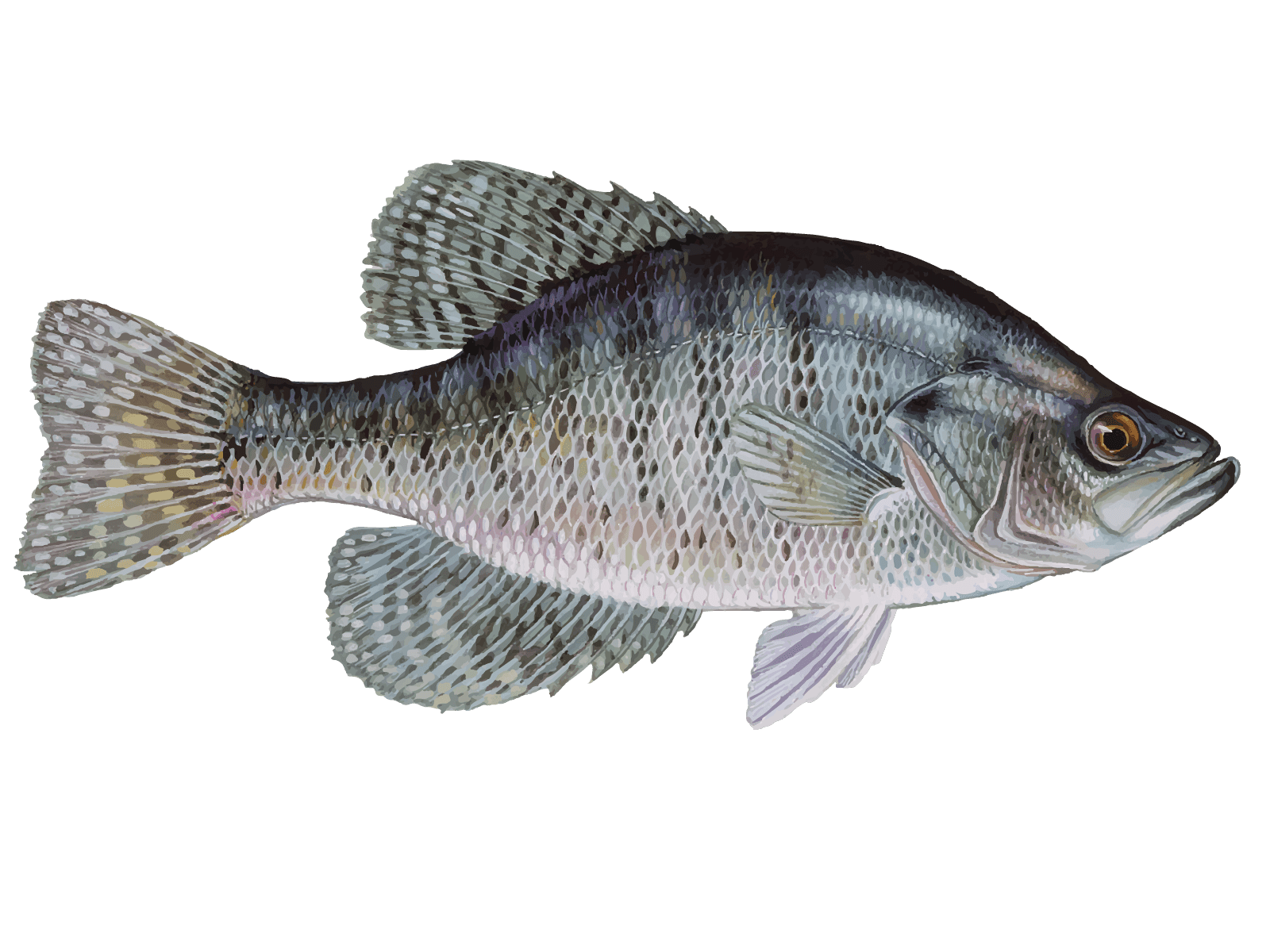
Crappies are game fish and the largest members of the Centrarchidae family. They are present in nature as Black Crappie (Poxomis nigromaculatus) or and White Crappie (Poxomis annularus). Both the species are similar to each other, apart from few distinctions. White crappie will have vertical bars running the length of their body, and black crappie will have no discernible pattern and will just be speckled, hence their nickname, “specks". White crappie has 5-6 spines, and black crappie has 7-8 spines. Anglers often differentiate the two by body shapeGrenade Lake, Mississippi, and Reel foot Lake are considered among giant crappie lakes.
Crappie Habitat and Distribution
Both the crappies have a similar habitat, though black crappie prefers clearer water than white crappie. These fishes can be found in rivers, lakes, and backwater pools swimming in shallow waters or hiding among bushes, vegetation, or other covers.
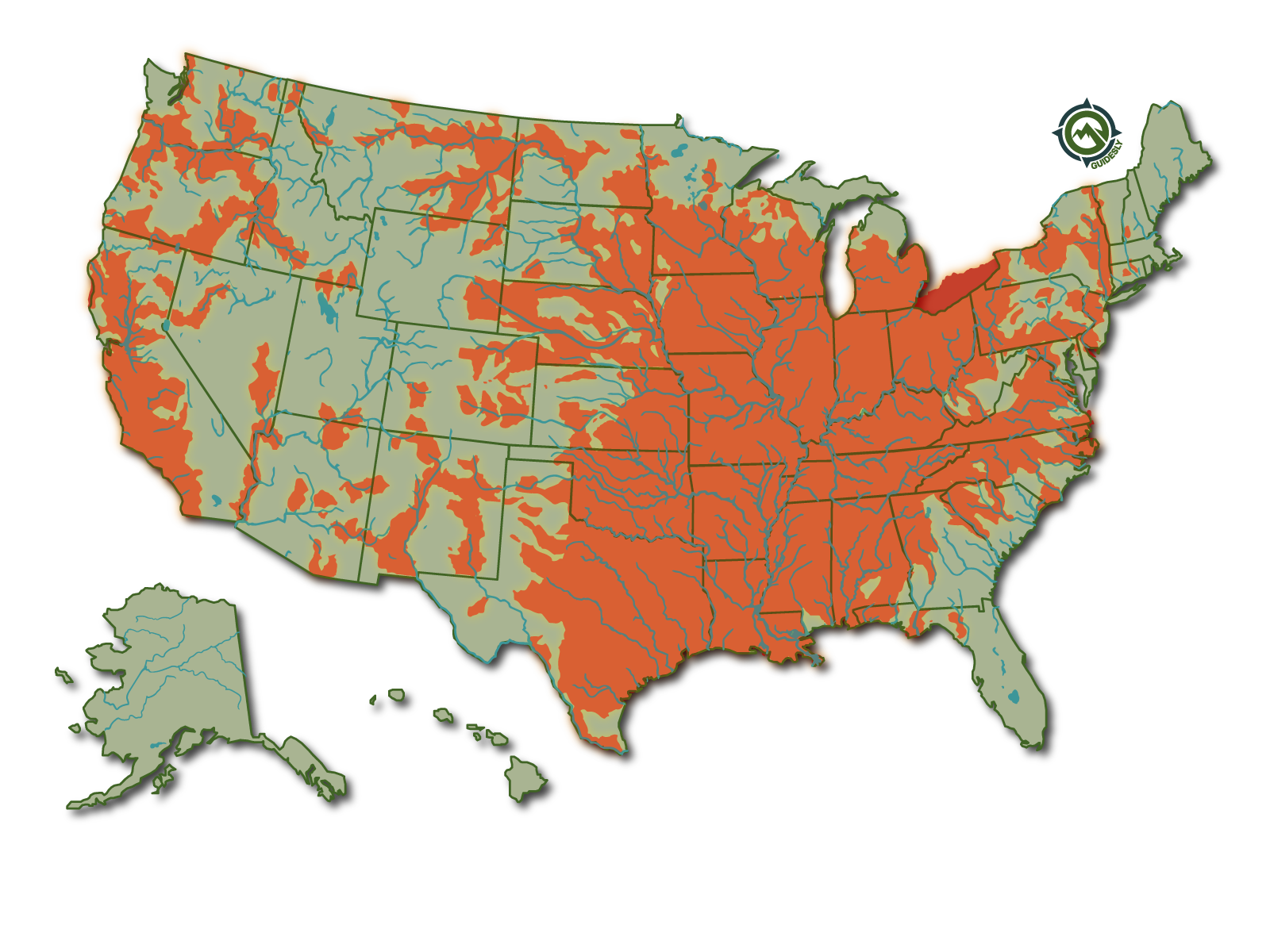
Crappie is native to Canada and the eastern States. It is a much-enjoyed game fish in North America and inhabits the Great Lakes, Hudson Bay, and the Mississippi River Basins.
Crappie Size and Weight
Crappie can be 7-12 inches long and weigh about 0.5-1 pounds.
Crappie Interesting Facts
Crappie is known for its tasty and white meat.
- Both Poxomis nigromaculatus and Poxomis annularus are less active during the day.
- Both the fishes have a different number of dorsal fin spines. White Crappie has 6 while Black Crappie has 7 or 8.
- Mouth of Black Crappie is larger and reaches mid-eye and has a resemblance to largemouth bass.
- Crappie travels in schools.
- Female lays 5000-60000 eggs.
- Crappie can live for 7 to 10 years.
Is Crappie Good to Eat?
Despite its name, crappie is an excellent source of nutrition, containing high amounts of protein and essential omega-3 fatty acids. Although it's not as popular as salmon or tuna, crappie can be a delicious addition to any healthy diet. They are known for their delicate taste and ease of preparation.
When cooked properly, crappie has a delicate flavor and flaky texture, making it perfect for grilling, frying, or baking. Moreover, because they are smaller fish than other common species, such as bass or catfish, the chances of mercury contamination in their flesh are much lower.
Crappie Spawning
Crappie spawning season begins in early spring and summer when the water temperature is 62 F-68 F. Male builds the nest in soft or gravelly spots, the female lays the eggs, and the male guards the nest. Eggs take 2 to 5 days to hatch.
Crappie Food
Depending on the age, Crappie victims consist of zooplankton, crustaceans, small fish, minnows, insects, gizzard or threadfin shads, and larvae of other game fishes.
Crappie Fishing
Crappie is most active at dawn or dusk. Anglers recommend using live bait and properly sized hooks, not too small, not too large.
Spin or Bait Fishing for Crappie:
Spin fishing for crappie is a popular angling technique used for years. The use of small lures, such as crappie spinners or jigs along the bottom with light tackle, makes it possible to catch these elusive fish with ease. Crappie spinner fishing involves using a spinning rod and reel setup to cast the lure out into the water and retrieve it in a steady fashion.
When fishing for crappie with a spinner, it's essential to choose the right size and color of the lure. Smaller lures are more effective when targeting this species due to their smaller mouths. Additionally, selecting colors that mimic the natural prey of crappie can help increase your chances of catching them. It's also important to consider where you're casting your line when using spinners for crappie fishing.
Another popular technique is a bobber with a hook with live bait such as worms or small minnows. This is a proven method to catch crappie.
Fly Fishing for Crappie:
- Fly fishing for Crappie is exciting. Both dry and wet flies work well. Use dry flies on still and calm days, especially early and late. A great way to start a young angler on fly fishing, crappie is not as challenging as much other game fish.
- The best-wet flies for fly fishing are streamers and nymphs and soft large hackles. Streamers (small) are perfect when the fish is eating minnows.
- Anglers can fly fish for Crappie near fallen trees or bushes using a dry or wet fly. Be patient and let the fish properly take the hook. - Clouser Minnow is the ultimate fly bait that can catch even the sluggish crappie.
Crappie Baits and Lures:
- Spinners
- Pan-fish jigs
- Small crankbaits
- Insects
- Worms
- Streamer flies
- Small minnows
- Nymphs
About the Ranger
%2F%2Fusers%2F105eb293-6a8e-41c8-857d-3788b9de0acc%2Fvehicle_picture%2Fbassboat.png&w=1920&q=75)
Vehicle Guest Capacity: 2
Manufacturer Name: Evinrude
Maximum Cruising Speed: 1
Number of Engines: 1
Horsepower per Engine: 1